GEOGRAPHY & LANDSCAPE
Mojave Desert
Overview
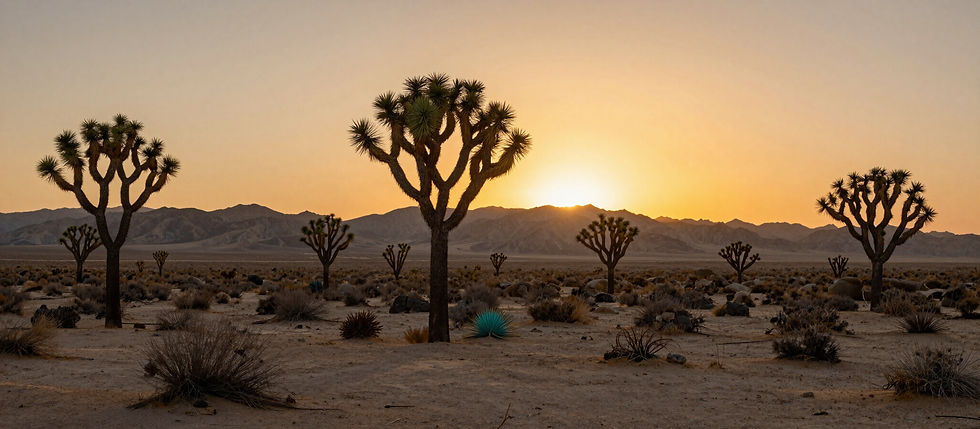
The Mojave Desert stretches across parts of California, Nevada, Arizona, and Utah, making it one of the most iconic desert landscapes in North America. Known for its striking rock formations, wide-open skies, and otherworldly Joshua trees, the Mojave offers campers a chance to disconnect and experience true desert solitude. It's the driest desert in the U.S., but don't let that fool you — this "empty" landscape is full of life, color, and adventure.

Itinerary
9:30 AM
10:00 AM
11:50 AM
1:10 PM
2:50 PM
3:20 PM
3:55 PM
4:15 PM
4:35 PM
4:35 PM
8:00 PM
9:30 PM
Overview
A two-day adventure takes you deep into the heart of the Mojave Desert, blending exploration, adventure, and rest under some of the darkest skies in California. Day one starts with a scenic drive out to the desert, a stop for lunch, and an up-close look at the region's ancient volcanic lava tubes before making camp near the towering Kelso Dunes — where the evening winds down with a home-cooked dinner and stargazing through a telescope. Day two kicks off with sunrise over the dunes, a hearty breakfast, and a hands-on hike up Kelso Dunes with the option to sandboard down before heading back home by mid-afternoon.
Along the way, you'll pass through Kelso Depot, take in desert landscapes shaped over thousands of years, and get a true taste of what makes the Mojave one of the most striking wilderness areas in the country.
Meet at 240 Deborah Ct, Upland CA 91784 (30 min)
Drive to plaza with restaurants (110 min)
Lead: Corey
Lunch at plaza with restaurants (80 min)
Lead: Paul
Note: Corey to fill up gas
Not Included
Drive to Lava Tubes (100 min)
Lead: Corey
Explore Lava Tubes (30 min)
Lead: Paul
Drive to Kelso Depot (35 min)
Lead: Corey
Explore Kelso Depot (20 min)
Lead: Paul
Drive to Kelso Dunes (20 min)
Lead: Corey
Setup camp
Lead: Paul and Corey
Make dinner
Lead: Paul
Included
Stargazing with telescope, depends on night conditions (90 min)
Lead: Paul
Retire for the night
Optional
5:30 AM
Sunrise
Optional
6:10 AM
Make breakfast (50 min)
Lead: Paul
Wake up, pack up, eat breakfast (70 min)
Lead: Corey
Included
7:00 AM
8:10 AM
Hike Kelso Dunes + Sandboard (150 min)
Lead: Corey
Note: If dunes are too hard, option to hike halfway up
10:40 AM
Lunch at plaza with restaurants (40 min)
Not Included
Lead: Paul
11:20 AM
Drive (110 min)
Lead: Corey
1:10 PM
Bio break (20 min)
Lead: Paul
Note: Corey to fill up gas
1:30 PM
Drive back home (150 min)
Lead: Corey
4:00 PM
Arrive back at meeting point
Desert Climate & Weather
The Mojave is a land of extremes. Summer temperatures frequently soar above 100°F (38°C), while winter nights can plumment well below freezing.
Spring and fall offer the most temperate conditions for exploration, characterized by clear blue skies and relatively low humidity. Sudden windstorms are common, often appearing without warning across the open basins.


Wildlife & Plant Life
Despite the arid climate, the desert teems with specialized life. Lucky visitors may spot range of common Mojave species, all perfectly adapted to thrive in one of the planet's harshest environments.

Bighorn Sheep

Joshua Tree

Desert Tortoise
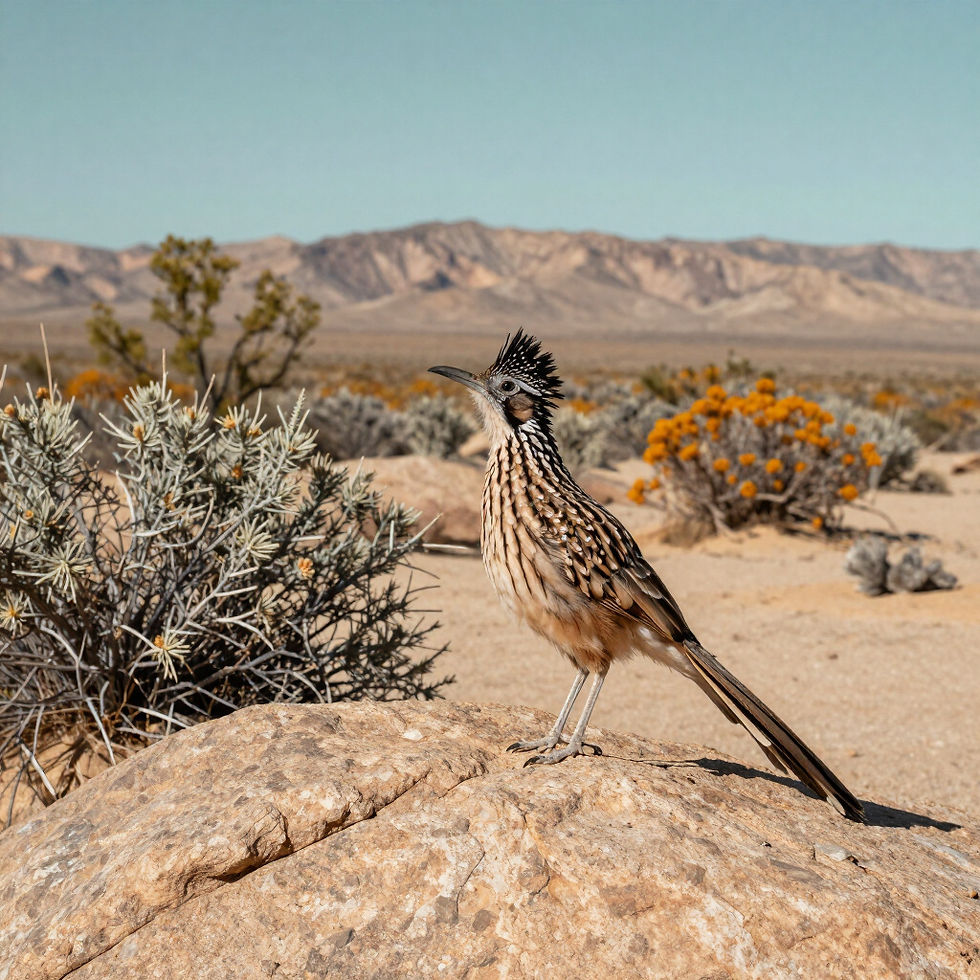
Roadrunner

Creosote Bush

Kit Fox

Black-tailed jackrabbit

Desert horned lizards

Gambel's quail

Mojave yucca

Coyotes

Chuckwallas

Scorpions

Barrel cactus

Rattlesnakes

Golden eagles

Tarantulas

Desert sage
Exploring the Mojave safely means respecting these delicate species. Many are protected, and staying on marked trails ensures the continued survival of this vibrant desert community.
Geography
The Mojave sits at a higher elevation than deserts like the Sonoran, giving it a unique "high desert" character. This distinctive geography creates a tapestry of environments that are as diverse as they are beautiful. Explorers can find everything from low-elevation salt flats to high-altitude mountain ranges, offering a surprising variety of terrain within a single desert landscape.

Joshua Tree National Park – home to the desert's namesake, spiky-armed trees found nowhere else on Earth
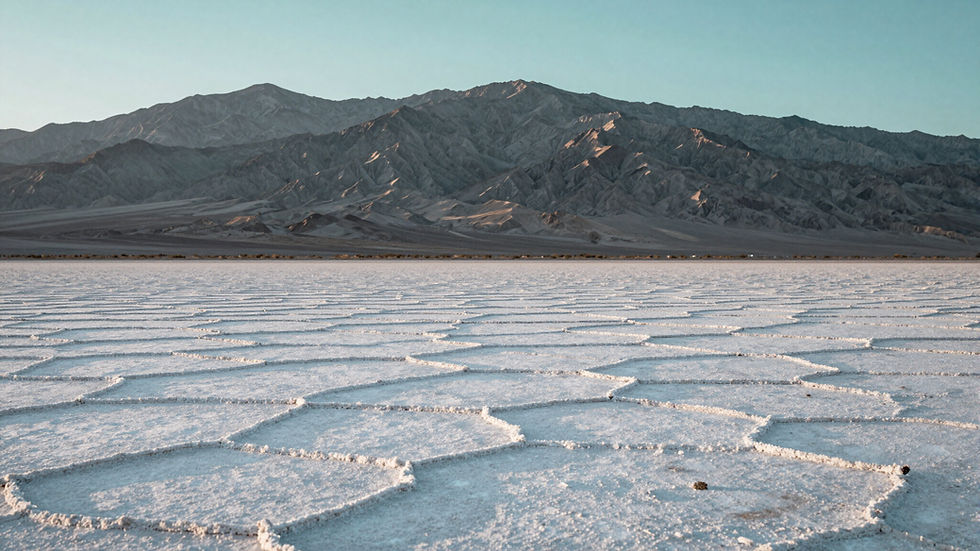
Death Valley National Park – the lowest, hottest, and driest spot in North America

Mojave National Preserve – vast dunes, volcanic cinder cones, and Joshua tree forests

Lava Tube – ancient volcanic tunnels formed by flowing lava, now a cool, cave-like formation open for exploring

Kelso Dunes – towering sand dunes that rise nearly 650 feet, known for their 'booming' sound when sand shifts underfoot

What to Expect
Preparation is key when visiting the Mojave. Expect limited cell service, vast distances between water sources, and incomparable stargazing opportunities under some of the darkest skies in the country. Hikers should be prepared for steep elevation changes and loose gravel terrain. The silence of the desert is profound, offering a rare sense of peace for those who journey deep into its heart.